
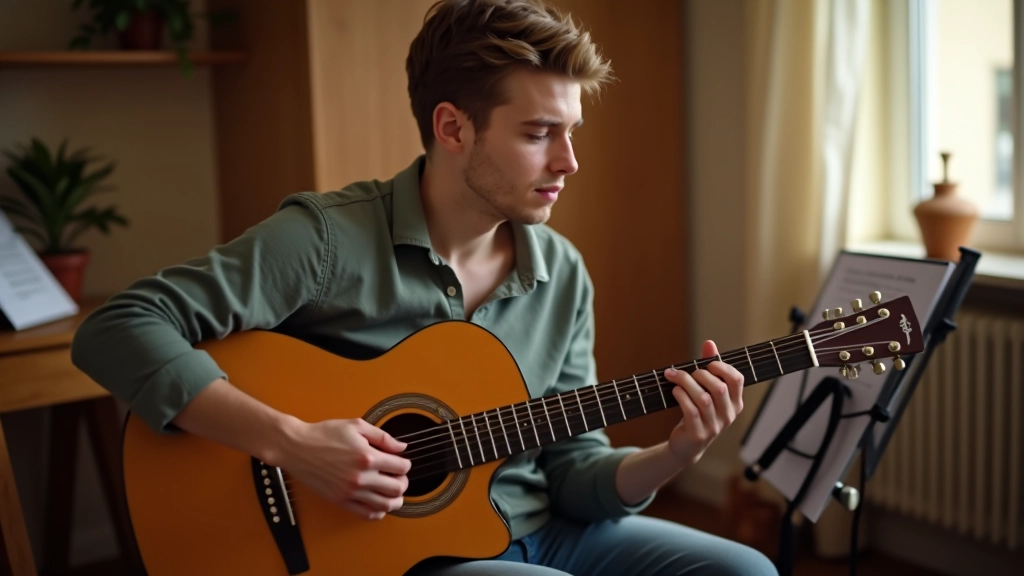
Learning Music as an Adult — Where to Start
Guitar, piano, or singing lessons in Latvia. What actually works for adults without previous experience, realistic timelines, and where to find affordable instruction.
You're thinking about picking up an instrument. Maybe you've always wanted to play guitar, or you're curious about piano. The question that stops most adults is simple: "Isn't it too late?"
It's not. Here's the reality — learning music as an adult is different from learning as a kid, but it's not harder. You've got discipline, patience, and real motivation on your side. Plus, you actually understand why you're doing it. Kids just do what their parents say. You're doing this because you want to.
This guide covers the basics: what instrument might suit you, realistic timelines for actually playing real songs, where to find lessons in Latvia, and how much of your week you need to dedicate to actually see progress. We're talking practical stuff, not inspirational fluff.
Quick Reality Check
- You'll play simple songs in 2-3 months with consistent practice
- Most people need 30-45 minutes daily, 4-5 days per week
- Lessons work best in combination with solo practice
- Age isn't the limiting factor — consistency is
Choosing Your First Instrument
The instrument you choose matters because it affects motivation. If you hate the sound or feel, you won't practice. That's the main reason people quit.
Guitar is popular because it's accessible and social — lots of adults learn it in Latvia, lessons are everywhere, and you can play recognizable songs quickly. The downside? Your fingers hurt for the first month. That's just part of it. Most people push through.
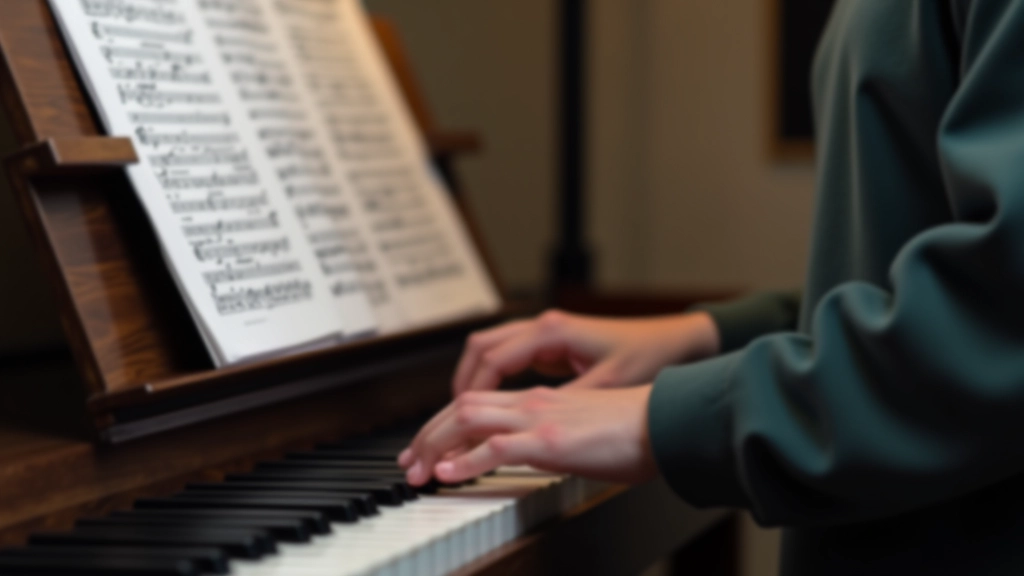
Piano or keyboard is great if you like structure and want to understand music theory faster. Your fingers don't hurt, and you can sit comfortably. But it takes longer to play something recognizable because both hands do different things from the start.
Voice training is different — you're the instrument. No equipment, no finger pain, but you need more lessons to avoid bad habits. It's harder to know if you're doing it right on your own.
About This Guide
This article provides educational information about learning music as an adult in Latvia. Timelines and suggestions are based on typical adult learner experiences and are not guaranteed. Your actual progress will depend on practice consistency, individual aptitude, and quality of instruction. Always consult with qualified music teachers about your specific learning goals and any physical concerns.

Finding Lessons and Practice Time
You've got options in Latvia. Private teachers are common in Rīga and larger towns — expect to pay 15-25 euros per hour for a decent instructor. Group classes run cheaper, around 8-12 euros per session, but you get less individual attention. Online lessons work too, and they're flexible if your schedule's unpredictable.
Here's what matters more than where you get lessons: practice between sessions. One lesson per week doesn't do much if you don't practice. You need to touch the instrument most days. Thirty to forty minutes is enough — not the whole evening. Consistency beats intensity.
The hardest part isn't finding a teacher. It's building the habit. Week one feels exciting. Week four is boring. By week eight, you're either committed or you've quit. The people who stick are the ones who scheduled practice like any other appointment.
What Actually Happens in Those First Months
Month one: You're excited. Everything hurts or feels awkward. Your fingers don't do what you want. You'll probably practice too much out of enthusiasm, then feel discouraged when it's still hard. This is normal.
Month two: You understand the basics now. You can play a few simple chord progressions or scales. Songs still sound clunky because you're thinking about every note. You're starting to see progress, which helps.
Month three: You can play recognizable songs. Not well, but people know what the song is. This is huge for motivation. You're also learning rhythm and timing, not just hitting the right notes. Your hands are stronger and faster.
By six months: You've got basic competency. You can play multiple songs, understand chord progressions, and hold a rhythm. You're no longer a complete beginner, though you're definitely not advanced.
Weeks 1-2: Basics and fundamentals
Weeks 3-8: Building muscle memory
Weeks 9-12: Playing simple songs
Months 4-6: Building repertoire and speed

Starting is the Real Step
Learning music as an adult isn't impossible. It's different from learning as a kid, but that's mostly an advantage. You've got discipline, you understand the value, and you're not doing it because someone made you.
Pick an instrument that excites you. Find a teacher or resource that fits your schedule and budget. Commit to practicing 4-5 days a week, even if it's just 30 minutes. Expect the first month to feel awkward and uncomfortable — that's universal.
You'll be playing real songs by month three. By month six, you'll have basic competency. By a year, you'll wonder why you waited so long to start. The hardest part is showing up consistently. Everything else follows from that.
Looking for more ways to spend your free time? Explore other leisure ideas for adults in Latvia.
Browse All Activities